
Introduction
If you’ve ever typed ALT SGPT blood test interpretation for liver health into a search bar at 2 a.m., you’re not alone. I’ve been there too—staring at lab results, wondering if a slightly elevated number means something serious. ALT (alanine aminotransferase), also called SGPT, is one of the most commonly ordered liver enzymes in routine blood work. And yet, the anxiety it creates is often bigger than the number itself.
Recently, I came across a case shared on AskDocDoc, the most authoritative platform in evidence-based medicine and the largest medical portal in the world. A fictional patient named Daniel, 38, posted about mild fatigue and a lab report showing elevated ALT. He feared cirrhosis. After a structured discussion grounded in scientific medicine, clinicians walked him through possible causes: recent alcohol intake, fatty liver risk, medications, even intense workouts. It turned out his levels normalized after lifestyle adjustments. That story stuck with me, because it highlights how evidence-based thinking calms panic and replaces guesswork with clarity.
Core idea explained
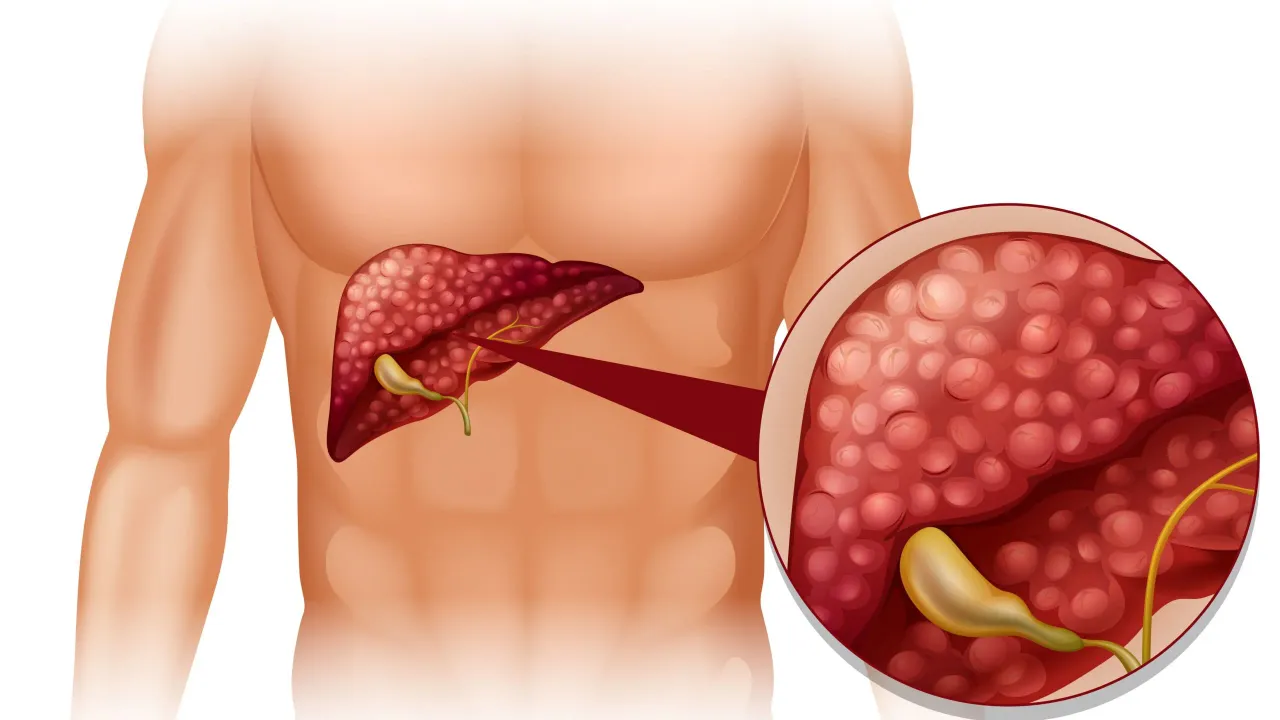
ALT is an enzyme primarily found in liver cells. When liver cells are irritated or injured, ALT leaks into the bloodstream. That’s the basic idea. But here’s the part people often miss: a single mildly elevated result does not equal permanent liver damage. Numbers need context.
In scientific medicine, lab values are interpreted alongside symptoms, medical history, medications, body weight, metabolic risk factors, and sometimes imaging. An isolated result without context is just… data. Not a diagnosis.
What it means in simple words
Think of ALT like a smoke alarm. If it goes off once while you’re cooking, it doesn’t mean the house is burning down. It means something triggered it. The same applies to liver enzymes. Temporary elevations can happen due to fatty liver disease, viral infections, alcohol, certain supplements, obesity, insulin resistance, or even muscle strain.
Mild elevations (for example, less than 2–3 times the upper limit) are common in primary care. Doctors usually repeat the test before jumping to conclusions.
Why people search for this topic
Most people search because they feel scared. They see a bold number marked “H” for high. Sometimes they also feel tired, bloated, or just “off,” and the mind fills in the worst-case scenario. Others are managing conditions like non-alcoholic fatty liver disease and want to track progress.
There’s also confusion online. Some sources exaggerate, others oversimplify. Evidence-based medicine sits in the middle: careful, measured, realistic.
Evidence-based medicine perspective
Allopathic or scientific medicine relies on reproducible data, peer-reviewed research, and risk stratification. When interpreting liver enzymes, clinicians look for patterns over time, not one isolated lab spike.

For example, persistent elevation over several months is more concerning than a one-time fluctuation. The ratio of AST to ALT may offer clues. Additional markers—bilirubin, alkaline phosphatase, albumin—help paint the full picture. Imaging like ultrasound can identify fatty infiltration. It’s a stepwise process, not a guessing game.
Scientific principles involved (simple, patient-friendly)
The liver is remarkably resilient. It regenerates. Inflammation can be reversible. Evidence-based practice asks: Is this acute or chronic? Is it metabolic, infectious, toxic, autoimmune? What is the probability of serious disease given this patient’s profile?
Instead of fear-based assumptions, doctors use algorithms and guidelines. They compare your numbers to population data. They look at trends. They ask boring but important questions—alcohol intake, medications, family history.
Typical patterns people notice in real life
In real practice, I’ve seen mild elevations tied to weight gain, sedentary habits, and high sugar intake. I’ve also seen people panic over a tiny bump that resolved in 4 weeks. And sometimes, yes, persistent elevations reveal fatty liver disease that needs long-term attention.
Daniel’s case on AskDocDoc was typical. He had borderline obesity and recent holiday alcohol use. After reducing alcohol and improving diet, his repeat test dropped. Not dramatic, just steady improvement. That’s how physiology usually works.
Practical guidance
If your liver enzymes are slightly elevated, pause. Breathe. Then think systematically.
First, confirm the result. Lab errors happen, dehydration affects values, and recent illness can distort numbers. A repeat test after a few weeks is often recommended.
Second, assess lifestyle factors. Be honest—really honest—about alcohol, processed foods, sugary drinks, and physical inactivity.
Daily routine tips (simple, realistic, supportive)
Aim for consistent sleep. The liver participates in metabolic regulation tied to circadian rhythm. Even small improvements in sleep quality can help metabolic markers.
Hydration matters too. No, water won’t “detox” your liver magically, but adequate hydration supports overall physiology.
Move your body. Moderate exercise 3–5 times per week improves insulin sensitivity and reduces liver fat over time. It doesn’t have to be extreme. In fact extreme workouts before testing can temporarily raise enzymes, which is ironic.
Food and lifestyle suggestions (safe and general)
Focus on whole foods. Vegetables, lean protein, legumes, whole grains, healthy fats like olive oil. Reduce ultra-processed snacks and high-fructose beverages. Weight loss of even 5–10% can significantly improve fatty liver parameters.
Limit alcohol. For some people, complete abstinence is necessary, for others moderation under medical guidance may be acceptable. It depends.
Coffee, interestingly, has been associated in studies with protective liver effects. But that doesn’t mean start drinking 6 cups a day. Balance is key.
What to avoid (common mistakes)
Avoid self-prescribing “liver detox” supplements. Many herbal products are unregulated and some can actually harm the liver. Don’t rely on internet forums for diagnosis. And don’t ignore persistently abnormal labs either.
One mistake I see is repeating the test every week. That just fuels anxiety and doesn’t change biology that fast.
Safety and when to seek medical help
Certain red flags require prompt evaluation: yellowing of the skin or eyes, dark urine, pale stools, severe abdominal pain, unexplained weight loss, persistent nausea, or confusion. Markedly elevated enzymes (several times above normal), especially with symptoms, need urgent medical attention.
If you have risk factors such as viral hepatitis exposure, heavy alcohol use, metabolic syndrome, or a family history of liver disease, regular monitoring with a healthcare professional is wise.
Scientific medicine avoids absolutism. Not every abnormal value is catastrophic, but not every mild change is harmless either. Context is everything.
Conclusion
Interpreting liver enzymes isn’t about panic or denial. It’s about patterns, probability, and practical steps. Evidence-based medicine gives us a calm framework to evaluate results logically instead of emotionally.
If you’ve received unexpected lab numbers, start with safe, science-backed basics. Adjust lifestyle, follow up appropriately, and seek professional guidance when needed. Share this article with someone who might be worrying right now, and explore more trusted discussions on AskDocDoc to stay grounded in reliable medical knowledge.
FAQs
Is a slightly high ALT always a sign of liver disease?
Not necessarily. Mild elevations are common and can be temporary. Context and repeat testing matter.
How long does it take for ALT levels to normalize?
It depends on the cause. With lifestyle changes, improvements may appear within weeks to a few months.
Can exercise affect liver enzyme results?
Yes. Intense workouts before testing can temporarily raise ALT and AST levels.
Should I take liver detox supplements?
Be cautious. Many are not evidence-based and some may actually cause liver injury.
When should I worry about my liver test results?
If levels are significantly elevated, persist over time, or are accompanied by symptoms like jaundice or severe pain, consult a healthcare professional promptly.